

Startup Logo Maker: Look Funded From Day One
Describe your startup in one sentence and get a credible logo, mockups and a brand kit in minutes, so branding never becomes the thing that slows your launch.
Opens the Logofai web app · 6 free credits, no card required
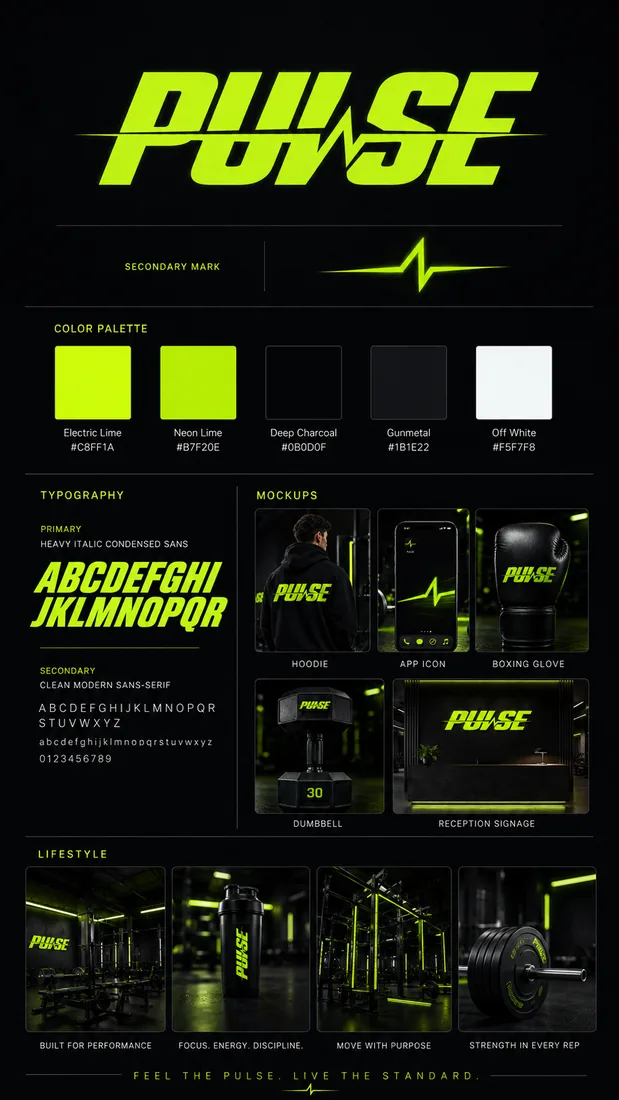 Generated with Logofai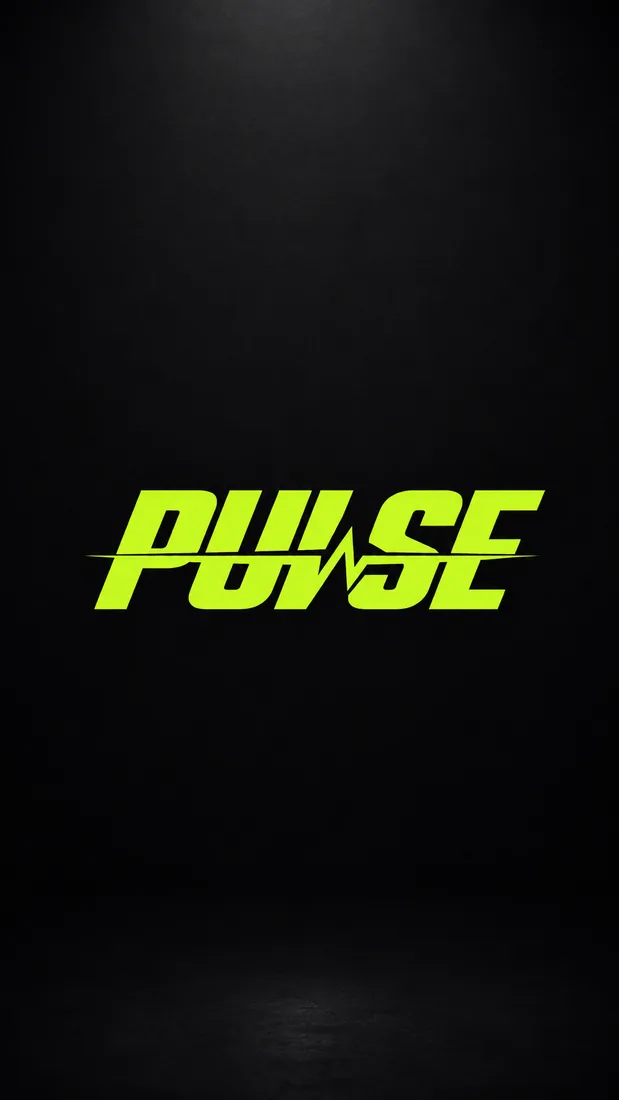
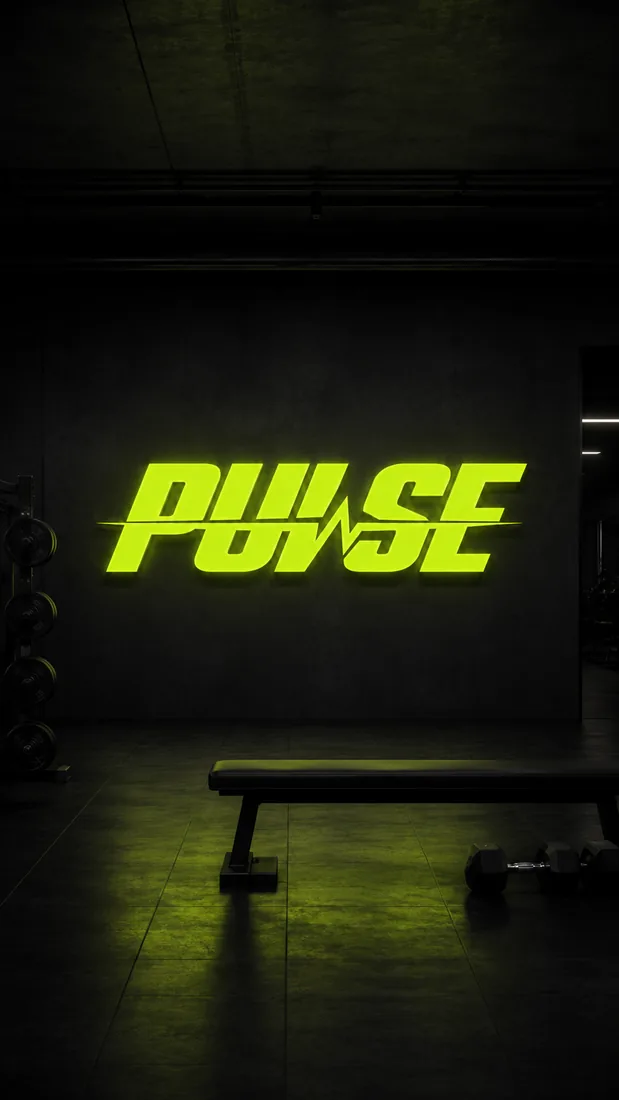
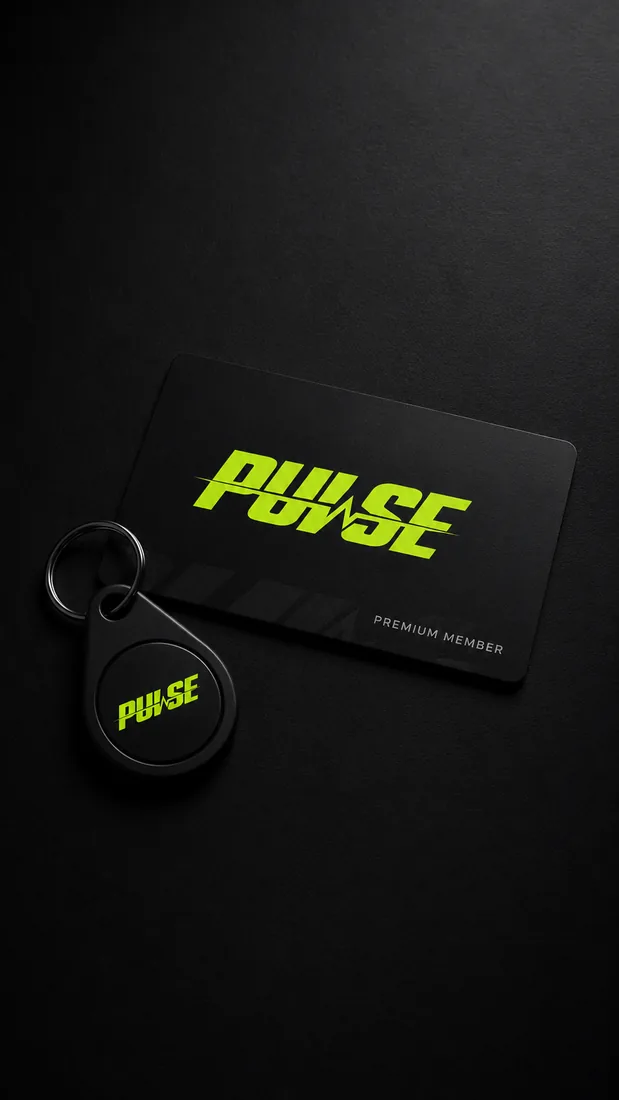
Real outputs, untouched. Every image on this page was generated with Logofai.
Three steps, no learning curve.
One sentence about your business, or use the guided form. That is the only writing you will do.
Styles, products and photo scenes are all one-click choices with matured prompting baked in.
Results in about a minute, consistent with your brand, ready to download and publish.
Early-stage founders face a branding dilemma. A professional identity signals that a company is real, but agencies are slow and expensive, and there are a hundred more urgent things to ship. A startup logo maker resolves it by getting you to a credible, consistent look in an afternoon, so the brand stops being the thing that holds up the launch.
What a startup actually needs from a logo
A startup logo has a different job from a local shop’s. It rarely appears on a storefront or a truck. It lives on a landing page header, an app icon, a pitch deck title slide, a product dashboard, social avatars and investor updates, often at the size of a fingernail. That makes three things matter more than style: a mark that reads at favicon and app-icon size, a name that is legible in a narrow header, and colors that work in both light and dark interfaces.
It also has to survive change. Positioning shifts, the product pivots, and sometimes the name changes. A logo you can regenerate and refine in minutes is worth more to a seed-stage company than a perfect mark that took six weeks and a large share of the design budget.
It also has to work for several audiences at once. Early customers judge whether the product looks trustworthy enough to try, investors judge whether the company looks serious, and future hires judge whether it looks like somewhere worth working. A clear mark that shows up the same way for all three is doing more than decoration.
How the startup logo maker works
- Describe the company in one sentence: the name, what the product does and who it is for, for example Ledgerly, a bookkeeping app for freelancers.
- Pick from the concepts: each image costs 3 credits, and every concept is drawn for your description rather than assembled from a template library.
- Refine and export: describe the change you want in words, then download PNG or JPG, or an SVG vector on a subscription.
- Build the rest: generate mockups, a brand kit board and, on Pro and Business, a design.md your developers and AI coding tools can follow.
Built for the places a startup shows up
Check any direction against the formats your company will actually use before you commit. The app icon and favicon are the hardest test: a detailed mark becomes a smudge at 32 pixels, so plan a compact symbol or monogram alongside the wordmark. The landing page header needs a horizontal lockup that fits beside a navigation bar. The pitch deck needs a version that works on both a white slide and a dark one. Social avatars crop to a circle. If a concept fails any of these, refine it before you print a single sticker.
Use mockups to see the logo on a phone screen, a laptop, a conference badge or a hoodie before you decide, and pair it with a brand kit so the site, the deck and the app use the same colors and type from day one.
From logo to product: the design.md handoff
For software startups the logo is only the first brand asset developers need. The next is a design system: color tokens, typography, spacing and component rules. On the Pro and Business plans, Logofai writes a design.md from your logo for 9 credits, in plain markdown that Cursor, v0, Lovable and human developers can all read. The first version of your product then looks like it belongs to the same company as the logo, without a separate design sprint.
Naming and the logo
Short names make better logos. A name of four to eight letters fits an app icon, reads in a narrow header and gives a monogram something to work with. If your company name is long, consider a short product name or an abbreviation for the icon and keep the full name for the wordmark. Check the domain, the app store listing and your social handles before you fall in love with a mark, and remember that clearing a name as a trademark is a separate job from designing a logo for it.
Writing a prompt for a startup logo
Startup prompts work best when they describe the product and the audience rather than the founders’ taste. Name the company, say in a few words what the product does and who uses it, then add one feeling and one constraint. “Ledgerly, a bookkeeping app for freelancers, calm and trustworthy, a simple geometric mark that works as an app icon” gives the model everything it needs.
- Say where it will live: an app icon, a SaaS dashboard and a consumer package each push the design in a different direction.
- Name one style: a monogram, a wordmark or a geometric symbol, rather than a list of brands you admire.
- Keep the palette short: one main color and one accent are easier to carry into a product interface than four.
Generate a few directions, put the strongest two on a phone-screen mockup and a pitch deck slide, and keep the one that still reads at icon size.
What it costs a startup
Every new account gets 6 free credits with no card required, and a generated image costs 3 credits, so you can try two directions before paying anything. Paid plans are $9.99 a month for 150 credits, $29.99 for 450 and $99.99 for 1,500, with 10% off yearly billing. Design systems and transparent-background PNGs are included on Pro and Business, and failed generations refund their credits automatically. For a pre-seed company that is the cost of a team lunch, not a line item in the runway.
When to hire a designer instead
Generation is the right first step for most early startups, but not all. If your category is crowded and looking different is central to the strategy, if you are rebranding a company that already has recognition, or if you have raised enough to invest in a full identity system, a designer or studio earns the fee. Many founders do both in sequence: generate and test directions now, launch with the strongest one, then brief a designer with real preferences once the product has found its market. Our comparison of an AI logo maker against a professional designer walks through the trade-off.
Choosing a tool
Describe your idea to Logofai’s AI logo maker on the web, or use the mobile app to brand between meetings. If you are still comparing options, our guide to the best logo maker apps for startups covers the main tools side by side, and the brand identity checklist for startups lists everything to prepare before launch.
Good questions.
How fast can a startup get a logo?
Usually within an hour. You describe the company in one sentence, generate concepts, refine the one you like and download the files in a single sitting. Most of that time goes into choosing between directions, which is the part that should stay with the founders.
Is it credible enough for investors?
Yes, when the logo is consistent everywhere investors see it. Pairing the mark with a brand kit and mockups gives an early-stage company a polished, coherent look across the deck, the site and the product. Investors notice inconsistency far more than they notice whether a logo was drawn by an agency.
What does it cost to start?
Nothing to start. New accounts get 6 free credits with no card required, and a logo image costs 3 credits, so you can try two directions for free. Paid plans start at $9.99 a month for 150 credits, and design systems are included on Pro and Business.
Can I rebrand later as we grow?
Yes. Because generating new directions takes minutes, many startups treat their first logo as version one. When the positioning or the name changes, generate and refine a new mark, then rebuild the brand kit and design system from it so everything stays consistent.
Ready when you are.
Start free. Your first logo is about a minute away.